PlayOJO player protection limits guide
Limits and player safeguards exist to keep online play in the right place: as entertainment, not pressure. In my view, the most useful tools are the ones that interrupt autopilot, show you your actual habits, and let you pause access before emotions take over. PlayOJO is generally associated with a fair play, straightforward approach, so this guide focuses on the practical side: what tools are commonly available, what they are meant to do, and how to use them sensibly.
These tools can help you control:
- your spending
- your playing time
- your access to games when you need a break
- your gambling habits over time

Overview of PlayOJO safer gambling tools
When I review responsible gambling tools, I usually look at how they work together rather than as one-off features. A single limit can help, but a layered setup is normally stronger. At PlayOJO, the main categories tend to cover reminders, time controls, spend controls, account history, breaks from play, self-check tools, and basic protection against underage access.
Below are the main tools covered in this guide:
- Reality checks — timed reminders that show your session status.
- Session time limits — set a maximum length for a play session.
- Deposit limits — cap how much money can be added over time.
- Loss limits — cap how much you are prepared to lose in a set period.
- Play history — review deposits, withdrawals, and session patterns.
- Cool-off and self-exclusion options — block access for a short or long break.
- Minor protection tools — reduce the chance of account misuse on shared devices.
The details and usual account paths are covered in the sections below.
Reality checks and session time reminders
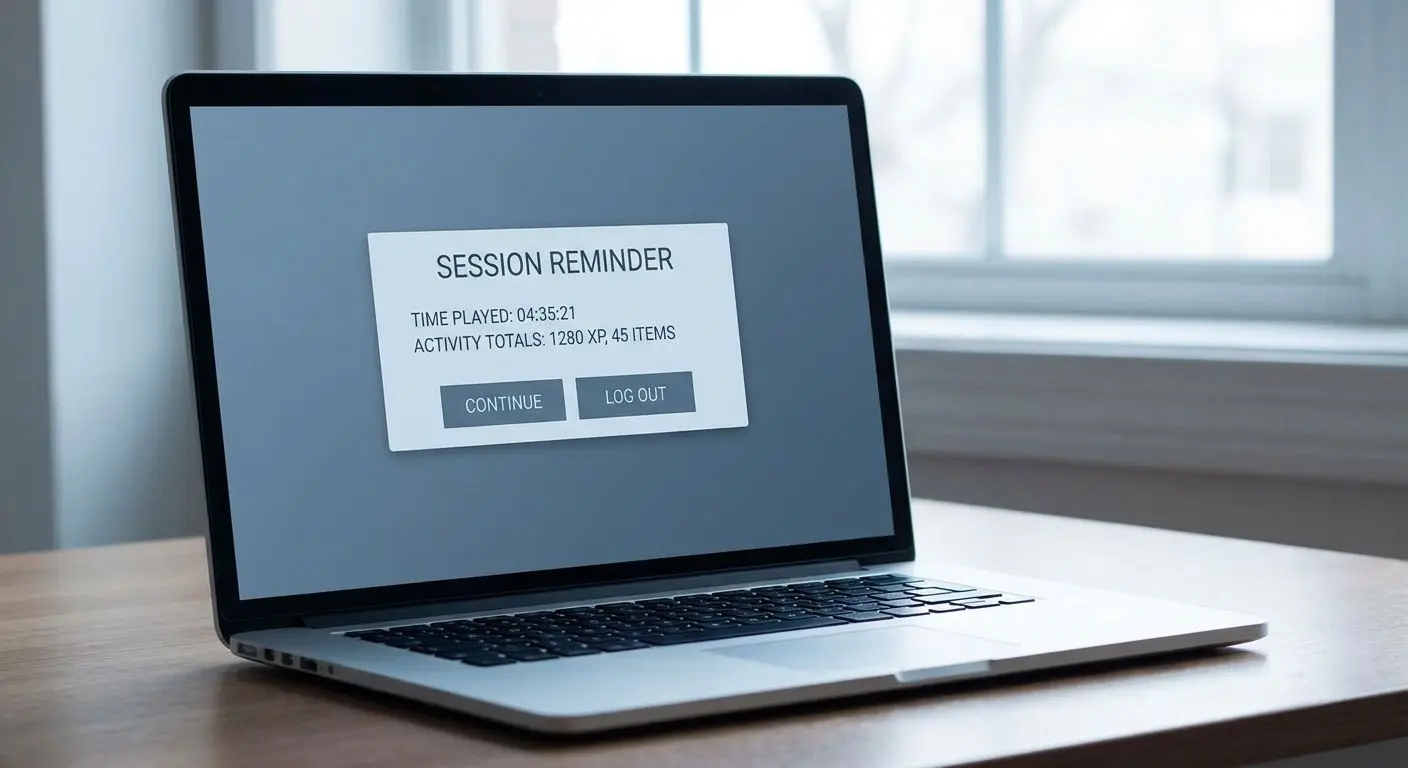
A reality check, sometimes called a session reminder or game status reminder, is a pop-up that appears while you are playing. Its job is simple: break the flow for a moment and show you where the session stands. In most cases, that means you see how long you have been playing, the overall amount staked during the session, and your current net result as a win or loss.
That pause can be more useful than it sounds. A short reminder gives you a natural point to ask yourself whether you still want to continue, whether you are sticking to your plan, or whether now is the right moment to log out.
To use it, log in and look for the safer gambling or reality check section in your account settings. Many platforms let you choose a reminder interval such as 15, 30, 45, or 60 minutes, and sometimes a custom interval too.
| Reminder interval |
What you see |
Typical decision |
| 15 minutes |
Short snapshot of session time and current result |
Continue if still within plan |
| 30 minutes |
Time played plus overall session activity |
Pause and reassess spend |
| 45 minutes |
Longer-session view with net position |
Take a short break or log out |
| 60 minutes |
Full hourly reminder of time and results |
End session if time budget is used |
| Custom |
A schedule that fits your routine |
Build reminders around personal habits |
Time limits and automatic logouts
A time limit control sets a ceiling on how long one session can last. Once that limit is reached, the system can automatically end the session or force a logout. I often recommend this to players who do not overspend quickly but lose track of time and end up playing far longer than planned.
You will usually find this option under a safer gambling, player protection, or account limits area. In some cases, stronger restrictions may need to be requested through support rather than switched on directly inside the account.
How to set up a time limit:
- Log in to your account.
- Open the safer gambling or player protection settings.
- Choose a session time limit that matches your routine.
- Save and confirm the change.
If you are unsure where the setting sits, start in My Account and then check limits, safety, or support guidance.
Log in to manage your limits
Deposit limits and loss limits
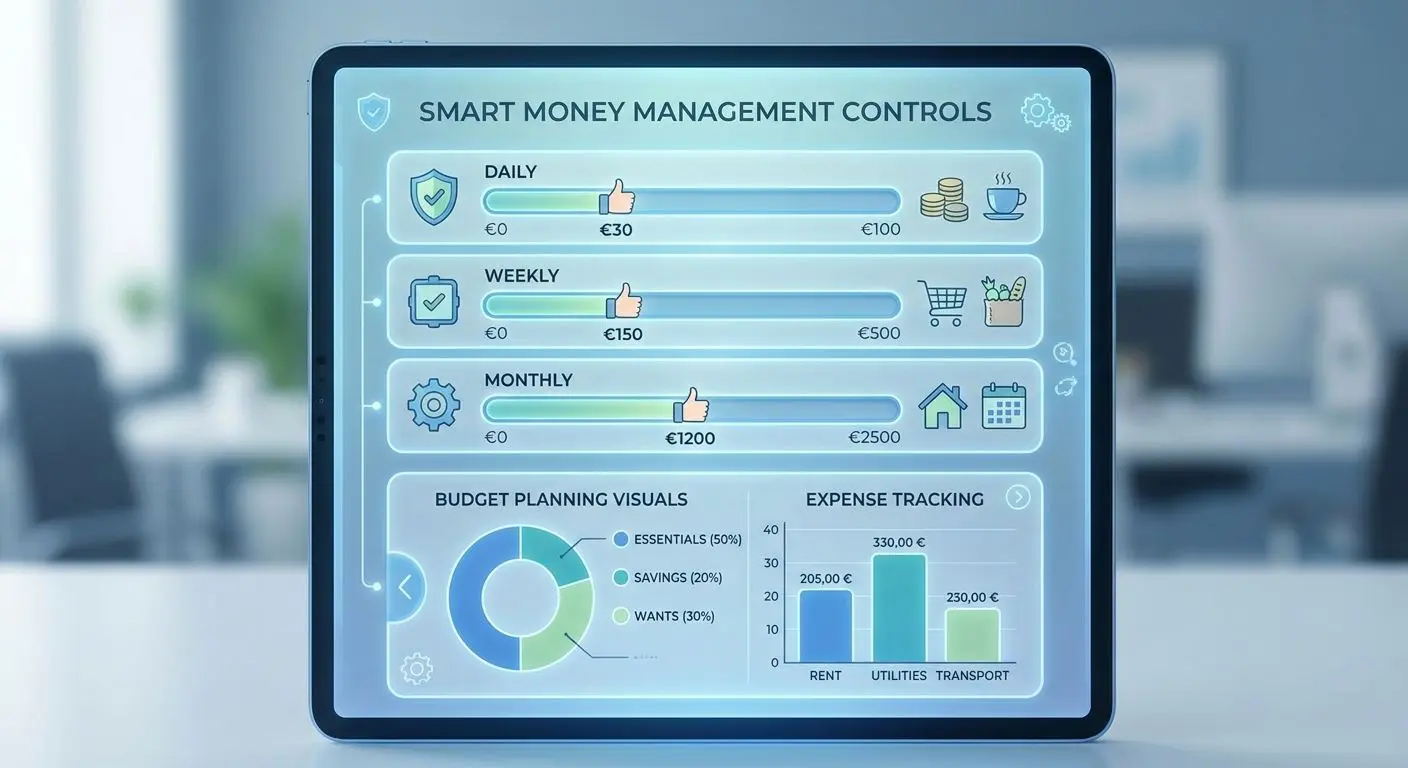
Deposit limits and loss limits sound similar, but they control different things. A deposit limit caps how much you can add to your account over a day, week, or month. A loss limit, where available, is based on how much you are prepared to lose in that same period. One controls incoming funds; the other focuses on the outcome of your activity.
I always advise setting your budget before you play, not during a session. If money is already needed for rent, bills, repayments, or day-to-day essentials, it should not be part of your entertainment budget. A good limit is one that still feels manageable if the full amount is lost.
How to set a deposit limit:
- Log in to your account.
- Open My Account and find gambling limits or deposit limits.
- Choose a period such as daily, weekly, or monthly and enter an amount.
- Confirm the limit and review the effective date.
As a general rule, lowering a limit takes effect straight away or quite quickly. Increasing a limit usually takes longer and may involve a waiting period. That delay is useful because it reduces impulsive changes. I also suggest using more than one layer at once, such as a daily limit for short-term control and a monthly limit for the bigger picture.
| Limit type |
Period |
Example amount |
What it controls |
| Deposit limit |
Daily |
€20 |
Caps same-day account funding |
| Deposit limit |
Weekly |
€50 |
Limits total weekly funding |
| Deposit limit |
Monthly |
€200 |
Keeps overall monthly budget in range |
| Loss limit |
Daily |
€20 |
Caps acceptable daily loss level |
| Loss limit |
Weekly |
€50 |
Limits weekly downside exposure |
| Loss limit |
Monthly |
€200 |
Sets a longer-term loss ceiling |
Set your first deposit limit
Tracking your play and understanding your history
Your account history is one of the most useful responsible gambling tools because it replaces guesswork with actual data. In most accounts, you can review deposits, withdrawals, game activity, bonus use, and other transaction records. That makes it easier to compare what you planned to do with what actually happened over the week or month.
Look for transaction history, game history, or bet history under My Account. I suggest checking for a few simple patterns: how long your sessions usually last, what your total result looks like across a month, and whether your deposit amounts have been creeping up. This is also where you can judge whether promotions are helping or simply encouraging extra spend. Before claiming new offers, it can help to check the latest PlayOJO promos and compare them against your recent history.
| Data point |
Where to find it |
Why it matters |
| Total deposits per month |
Transaction history |
Shows your real monthly spend |
| Total withdrawals per month |
Cashier or payment history |
Helps balance spend versus returns |
| Average session length |
Game or session history |
Reveals time patterns |
| Games you play most |
Game history |
Highlights repetitive behaviour |
| Net result over a period |
Summary or account history |
Shows the bigger financial picture |
Taking a break: cool-off and self-exclusion
There is a clear difference between a short break and long-term self-exclusion. A cool-off period is a temporary pause, often measured in days or weeks. During that time, the account is blocked for play and deposits. It is a useful option when you feel your habits are drifting or you simply want distance for a while.
Self-exclusion is the stronger step. It blocks access for a longer period, and during that time you cannot play or add funds. Marketing contact is also usually stopped in general terms. I recommend considering this route if you feel control is slipping, if play no longer feels entertaining, or if you have already started overriding your own limits.
To request a break, you may be able to do it in the safer gambling or player protection section of your account. If not, you can usually ask through live chat or email and let support apply the restriction for you.
| Type of break |
Typical duration |
What happens to your account |
How to start it |
| Short cool-off |
24–48 hours |
No play, no deposits during the period |
Use account settings or support |
| Medium cool-off |
7 days |
Account access restricted for play |
Set in account or request by chat/email |
| Temporary break |
30–90 days |
No play, no deposits, no bonuses during break |
Request through player protection settings |
| Long-term self-exclusion |
6+ months / indefinite |
Access blocked for a long period; marketing usually stops |
Request through account or support |
Talk to us about taking a break
Self-assessment and getting help
A self-assessment tool is usually a short question set designed to help you spot whether your habits may be turning into a problem. The questions often focus on patterns such as increasing your stakes over time, using borrowed money, hiding your activity, or trying to win back losses. It is not a diagnosis, but it can be a useful reality check.
Many self-assessment tools can be taken without logging in, which makes them easier to use privately. If your answers point to repeated warning signs, I would act straight away: tighten your limits, consider self-exclusion, and contact Player Support for help with the available controls. If the issue feels more serious, you may also want to speak to a specialised support service in your country.
Signs that should put you on alert include:
- playing longer than you intended
- spending money needed for other essentials
- noticing effects on sleep or mood
- trying to chase losses
- hiding your activity from family or friends
Protecting minors and your device
PlayOJO services are intended only for adults. That means parents, guardians, and account holders need to take direct steps to prevent underage access to both the account and the device used to log in.
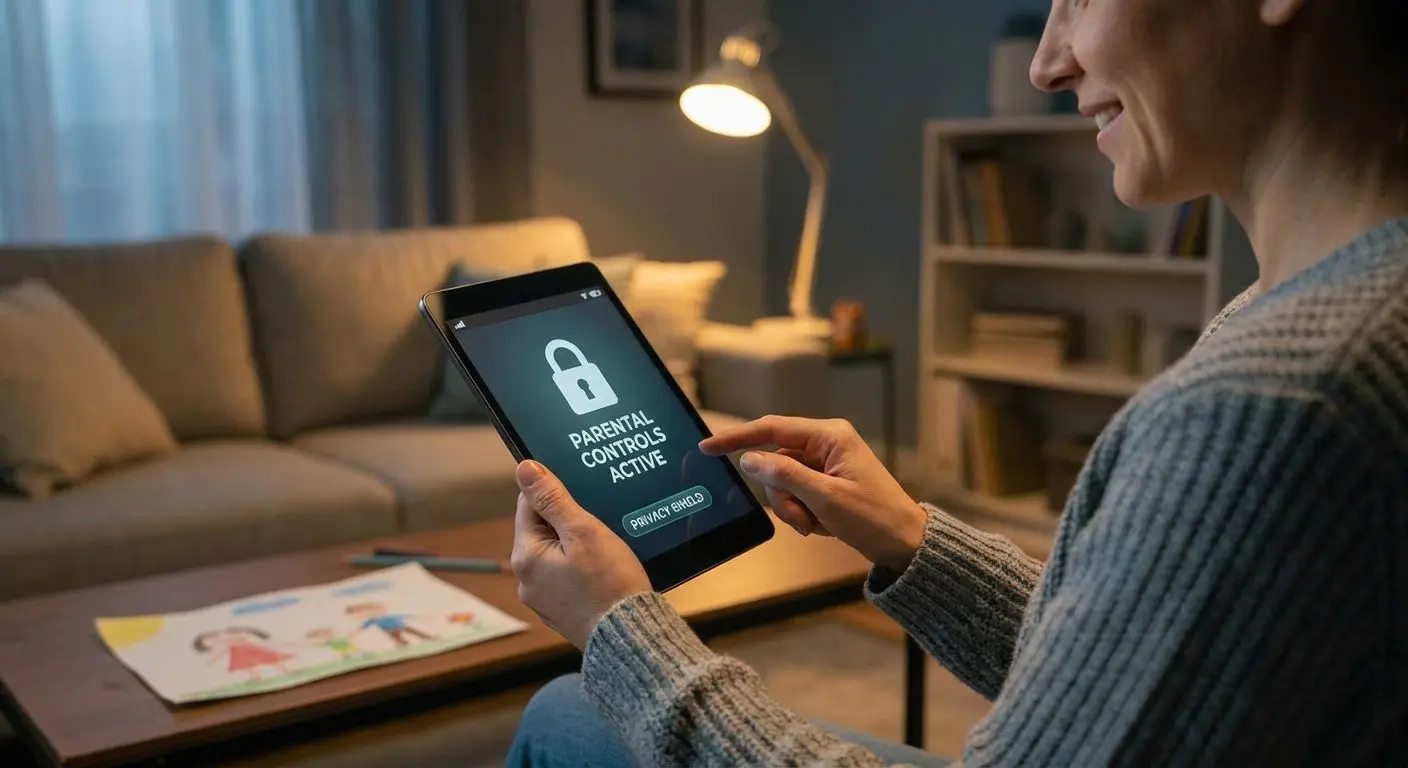
The practical side is straightforward. Do not store passwords in autofill on shared devices. Log out after every session. Use screen locks and parental controls where possible. Keep payment details private and separated from devices that children can access. If you suspect an account has been used by a minor, report it to support immediately so access can be restricted and reviewed.
A simple protection checklist:
- do not save login details on shared phones, tablets, or laptops
- log out fully after each session
- enable device passcodes, biometrics, or screen locks
- use parental control tools on household devices
- keep payment methods and email access secure
Secure your account now
How to combine limits into a personal safer gambling plan
The best setup is usually a mix of tools rather than one setting on its own. For example, you can set a deposit limit that matches your monthly entertainment budget, turn on regular reality checks, review your history every week, and decide in advance when to trigger a cool-off. That creates structure before emotion enters the picture.
If you are about to open a real money PlayOJO account, I would set those limits first and only then start active play. Review the plan once a month, or sooner if your financial situation changes.
A simple four-step plan:
- Set a money limit that fits your monthly spare budget.
- Turn on session reminders at regular intervals.
- Review your account history weekly.
- Decide in advance when you will take a break.
Play responsibly with PlayOJO
Stay connected with PlayOJO responsible gaming updates
Social channels are not only about winners and promotions. They can also be useful for reminders about safer gambling limits, new account tools, and general educational updates around responsible play. If you like keeping an eye on product changes, it makes sense to follow official channels where those updates may appear.
You can keep up with PlayOJO here:
Facebook,
Instagram,
X,
YouTube